
Posted by Keyss
How Future Healthcare Technology Is Elevating At-Home Care for Aging Americans
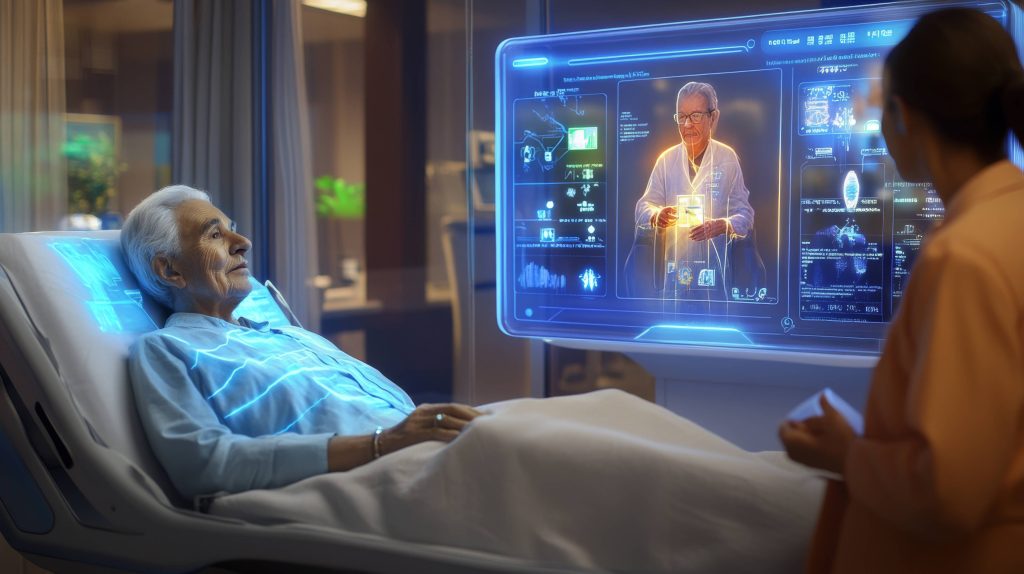
Aging at home used to mean compromise. Families accepted limited care, delayed medical attention, and constant worry because there were no better options. Today, that reality is changing fast. The real story of how future healthcare technology is elevating at-home care is not about fancy devices or trends. It is about giving aging Americans safer lives, more independence, and real medical support without forcing them into hospitals or care facilities.
Across the United States, seniors want the same thing most people want: to stay in their own homes, remain independent, and feel secure. Technology is finally catching up to that need in a meaningful way. This shift clearly shows how future healthcare technology is elevating at home care by making medical support continuous, proactive, and accessible without forcing seniors out of their homes.
How Future Healthcare Technology Is Elevating At-Home Care in the United States
The US healthcare system was built around hospitals and clinics. That worked when people lived shorter lives and medical care was mostly reactive. Today, Americans are living longer, often with ongoing health conditions that require monitoring rather than emergency treatment.
For aging adults, frequent hospital visits create stress, confusion, and physical strain. For families, distance, time, and cost make daily care difficult. This gap between need and support is why at-home care has become so important.
Future healthcare technology fills this gap by shifting care from buildings to people. Instead of waiting for problems to escalate, care now happens continuously, quietly, and earlier. That change alone is reducing hospital visits, lowering costs, and improving quality of life.
How Future Healthcare Technology Is Elevating At-Home Care
Future healthcare technology is elevating at-home care by fixing problems that traditional care models failed to solve for aging Americans. Doctor visits are limited. Caregivers are stretched thin. Families live far away. Technology fills these gaps without turning homes into hospitals.
Modern at-home care systems quietly collect health data every day instead of once every few months. This includes movement, sleep patterns, heart rate, medication timing, and early behavior changes. Small shifts often signal bigger health issues. When systems catch these signs early, doctors can act sooner and avoid emergencies.
At a practical level, future healthcare technology improves at-home care in three meaningful ways:
- It monitors health continuously and flags small risks before they become medical crises
- It keeps caregivers, families, and providers connected through shared, real-time data
- It reduces human error caused by missed symptoms, memory lapses, or delayed responses
This approach changes how care feels. Seniors keep independence while staying protected. Families gain peace of mind without constant check-ins. Providers receive clearer information instead of fragmented updates. This is a practical example of how future healthcare technology is elevating at home care by closing gaps that traditional, appointment-based healthcare models could never solve.
Remote Health Monitoring Is the Foundation of Modern Home Care
Remote monitoring is one of the biggest reasons at-home care now works. In the past, doctors only saw patients during appointments. Today, health data flows daily from the home to care teams.
Simple tools measure heart rate, blood pressure, blood sugar, oxygen levels, weight, and sleep patterns. These devices are not intimidating. Many are wearable or built into familiar objects. Seniors do not need to “use technology” actively. The technology works quietly in the background.
From real projects I have worked on, early detection has saved lives. Small changes in daily readings often signal trouble days before symptoms appear. When care teams act early, they prevent hospital admissions instead of reacting to emergencies.
This is a clear example of how future healthcare technology is elevating at-home care in a way that feels calm and supportive.
AI in Home Healthcare: Support, Not Replacement
AI is often misunderstood in healthcare. Many people worry it will replace doctors or make decisions without human oversight. That fear usually comes from poorly designed systems.
In reality, AI supports care teams by identifying patterns humans might miss. It reviews trends, flags unusual changes, and helps prioritize attention. Doctors still make decisions. Nurses still provide care. AI simply helps them see problems earlier.
When AI systems are rushed or poorly planned, they can fail. I have seen real cases of AI Enterprise Solutions Failure where healthcare platforms were launched without clean data or proper workflows. These failures teach an important lesson: technology only works when built thoughtfully.
When done right, AI reduces workload, improves accuracy, and gives providers more time to focus on people instead of paperwork.
Telehealth Is No Longer Optional for Aging Americans
Virtual care has moved from convenience to necessity. For many aging Americans, telehealth is now the safest and fastest way to access medical advice.
Through video calls, secure messaging, and voice-based systems, seniors can consult doctors without leaving home. This reduces missed appointments, prevents unnecessary travel, and lowers exposure to infections.
One important detail often overlooked is usability. Systems designed with seniors in mind use large text, simple navigation, and voice interaction. Voice-based care is especially important as it aligns with how people naturally communicate and supports voice search behavior.
Telehealth works best when it feels human, not technical.
Medication Management: Preventing Silent Health Risks
Medication errors are one of the most common and dangerous problems in at-home care. Missed doses, wrong timing, or incorrect combinations can quickly lead to emergencies.
Future healthcare technology improves medication safety by tracking schedules, sending reminders, and alerting caregivers when doses are missed. This removes pressure from seniors who may struggle with memory or complex instructions.
From experience, medication management tools alone can significantly reduce hospital visits. They do not replace caregivers. They support them by adding consistency and clarity.
Connected Care Teams Create Better Outcomes
At-home care works best when everyone involved sees the same information. Modern systems connect doctors, nurses, caregivers, and family members through shared dashboards and alerts.
This prevents delays and miscommunication. Instead of relying on phone calls or handwritten notes, care teams work from real-time data.
These systems require ongoing care themselves. Without proper Website Maintenance Plans, even well-designed healthcare platforms can become slow, insecure, or unreliable. Long-term success depends on maintenance, updates, and monitoring.
AI Chat Systems Help Seniors Ask Questions Safely
Many seniors hesitate to ask questions. They worry about bothering doctors or sounding confused. This hesitation often leads to mistakes or missed care.
AI chat tools change that behavior. A well-designed AI Chatbot Conversations Archive allows seniors to ask questions privately, review instructions again, and get simple explanations anytime.
This builds confidence and reduces errors. It also helps care teams understand common concerns and improve communication.
Why Industrial Technology Concepts Matter in Healthcare
Healthcare technology does not exist in isolation. Many ideas now used in home care come from other industries.
Concepts from AI in Industrial Automation are applied to medical devices to ensure reliability, self-diagnostics, and consistent performance. Devices monitor themselves, report issues, and reduce downtime.
This matters because at-home care depends on trust. Equipment must work every day, not just during testing.
Data Security and Patient Trust in Home Care Systems
As more health data moves into homes, security becomes critical. Seniors and families worry about who can access personal information. That concern is valid.
New approaches inspired by Blockchain in Intellectual Property help protect healthcare data. These systems create clear records of access and prevent unauthorized changes.
Trust is not a bonus feature in healthcare. It is essential.
Software Choices Shape Long-Term Healthcare Success
Behind every healthcare platform is software built by people who understand real-world use. Strong software development services focus on stability, compliance, and long-term support.
Even the Coding Language to Learn for healthcare systems matters. Some languages handle real-time data better. Others support scalability and long-term maintenance. These choices directly affect patient safety and system reliability.
Healthcare technology is only as strong as its foundation.
Real-World Scenario: At-Home Care Done Right
Consider a simple but real scenario.
A senior with heart disease lives alone. His family lives far away. His home system tracks daily weight and heart rate. Over a few days, subtle changes appear. The system flags the issue. A nurse reviews the data and adjusts medication.
There is no emergency room visit. No panic. No disruption.
This is how future healthcare technology is elevating at-home care in a way that feels supportive rather than overwhelming.
Cost Reduction Without Cutting Care Quality
Healthcare costs rise when problems are treated late. At-home technology lowers costs by preventing emergencies, reducing hospital stays, and improving long-term management.
The savings do not come from cutting care. They come from better timing and smarter decisions.
What Aging Americans Should Look for in Home Care Technology
Not all healthcare technology improves care. Some tools create stress, confusion, or data overload. That is why choosing the right at-home care technology matters just as much as using it.
Aging Americans need systems that support daily life instead of interrupting it. Technology should feel supportive, not clinical. If seniors struggle to understand alerts or controls, adoption fails. When tools feel simple and predictable, trust grows.
The most effective at-home healthcare solutions share a few critical qualities:
- Simple interfaces that work without constant training or technical help
- Clear alerts that explain what is happening in plain language
- Secure data handling that protects personal health information
- Ongoing updates and support through reliable Website Maintenance Plans
Good systems evolve as needs change. Health does not stay static, and neither should the technology. Tools that adapt over time help seniors age safely in place instead of being forced into assisted care earlier than needed.
When technology respects the user, supports caregivers, and communicates clearly, it becomes a quiet partner in everyday health not a burden.
What Aging Americans Should Look for in Home Care Technology
Based on adoption trends and real deployments, the next phase of at-home care will include better voice interaction, smarter AI predictions, and deeper integration with healthcare providers.
At-home care will not replace hospitals. It will reduce the need for them.
Common Mistakes Families Still Make
Many families wait too long to adopt technology. Others choose tools without guidance or ignore maintenance needs. These mistakes reduce the benefits of even the best systems.
Early planning makes a huge difference.
Why This Shift Matters Beyond Technology
This movement is not about innovation for its own sake. It is about respect. Aging Americans deserve care that supports independence, safety, and dignity.
Future healthcare technology makes that possible.
Final Thoughts: A Better Path Forward
The future of healthcare is moving into homes, not away from them. When families understand how future healthcare technology is elevating at home care, they move from reactive decisions to confident, long-term planning. This clarity reduces fear, prevents crises, and keeps families connected. It reduces fear, prevents crises, and keeps families connected.
The best care feels simple. That is how you know it is working.
If you are exploring how modern healthcare systems are designed, supported, and maintained, understanding how technology fits real care situations is the smartest first step.
Frequently Asked Questions.
Q 1. How future healthcare technology is elevating at-home care?
Future healthcare technology is elevating at-home care by enabling continuous health monitoring, early risk detection, virtual doctor access, and safer daily support without hospital visits.
Q 2.What technologies are most commonly used in at-home healthcare today?
Common at-home healthcare technologies include remote health monitoring devices, telehealth platforms, medication reminders, AI-powered alerts, and connected care systems for families and providers.
Q 3. Is at-home healthcare technology safe for aging Americans?
Yes. When designed correctly, at-home healthcare technology improves safety by detecting issues early, preventing medication errors, and protecting patient data with secure systems.
Q 4. Can at-home healthcare technology replace doctors or caregivers?
No. Technology supports doctors and caregivers by providing better data and alerts, but human care, medical decisions, and emotional support remain essential.
Q 5 How can families choose the right at-home healthcare technology?
Families should look for simple tools, strong data security, clear alerts, reliable support, and systems that adapt as health needs change over time.